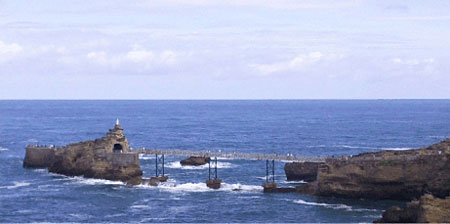
1952
27-03-1952 Birth in Paris
mother Marie Christine Schneider, born 1934
father Daniel Gélin, actor (1921-2002)
[Wikipedia F]official name Marie-Hélène Schneider
[Das]she grew up near the French-German border
27-03-1952 Birth in Paris
mother Marie Christine Schneider, born 1934
father Daniel Gélin, actor (1921-2002)
[Wikipedia F]official name Marie-Hélène Schneider
[Das]she grew up near the French-German border
[BuetJ]“I had very violent conflicts with my mother, so I left home when I was fifteen and half. I earned my living by selling drawings and illustrations for restaurant menus. I also was junior mannequin for Jeans. I loved cinema. I saw many films, like those of the italian neorealism.”
[Wikipedia F]She makes her first appearance on stage.
[Chtn]She plays her first part (a dancer) on stage at the ‘Théâtre 347’ in Superposition by René Ehni.
Conflicting information:
[Das]She visits her father for the first time in her life. But he was unable or unwilling to take in his daughter.
[Kraft]She was 16 when she met her father for the first time.
[BuetJ]She had not met her father when she moved to the house of Brigitte Bardot, in 1969.
1968-05 student revolt in Paris
[BuetJ]“Then there was May 68 and while my brother became bourgeois, a physician, and demonstrated with red flags, I cried because I could not study.”
Is an extra in L’Arbre de Noël by Terence Young (released 1969-9-25 USA, -10-5 Italy, -10-10 France).
Is an extra in Les Femmes by Jean Aurel (released 1969-11-7 France).
[BuetJ]Lives alone in Paris. At the set of Les Femmes she meets Brigitte Bardot (who had worked with Daniel Gélin). Bardot takes care of Maria and gives her shelter in her house during the next two years.
Conflicting information? Or did she have two agents, or...
[Das]She takes William Morris (the agent of Bardot) as her agent.
[McLellan]Maria Schneider: “Warren Beatty, who was visiting Bardot's house, insisted his agent sign me up. He called William Morris and said, 'You might take this young actress, she's so incredible,' and I hadn't done anything!”
[Wikipedia F]Olga Horstig-Primuz (born 1912 Belgrade) becomes her agent.
[BuetJ]agent has yougoslav accent
First real supporting role (which?), in Madly (aka. The Love Mates) by Roger Kahane, with Alain Delon, who is a friend of Bardot (released 1970-12-18 France).
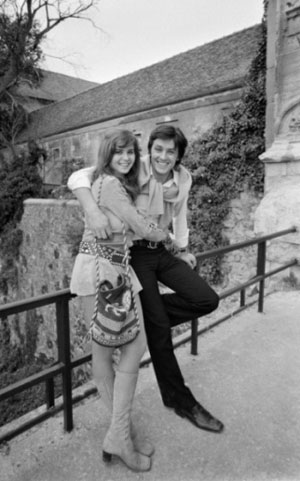
Role of Sarah in Les jambes en l'air (aka. César Grandblaise) by Jean Dewever (released 1971-5-13 Italy, 1971 France).
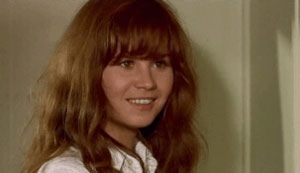
Release of Les jambes en l'air (aka. César Grandblaise) by Jean Dewever (released 1971-5-13 Italy, 1971 France).
Supporting role of Mome in La vieille fille by Jean-Pierre Blanc (released 1972-1-5 France).
1971-07 appearance in What a Flash! by Jean-Michel Barjol (filmed between July 2 and 5, 1971, released 1972-10-4 France). Published on Youtube 2016-3-9(2016-8-1, language: French; no subtitles; Maria Schneider can be seen between 24'55'' and 25'48''), Link removed by Youtube.
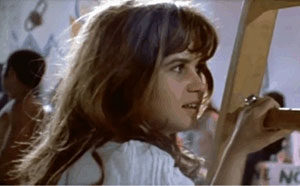
Supporting role of Nicole in Hellé by Roger Vadim (released 1972-5-3 or -10 France). Production year 1971 (see http://en.unifrance.org/movie/1704/helle). Published on Youtube 2015-01-31 (2016-8-1, language: French; no subtitles; first appearance of Maria Schneider is at 44'20'') , Link removed by Youtube.
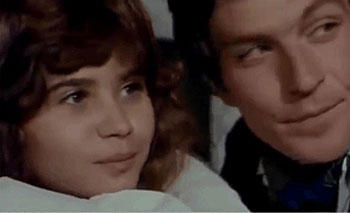
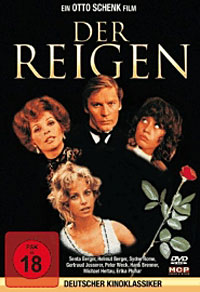
Main role of Das süsse Mädel (the sweet girl) in Der Reigen by Otto Schenk (released 1973-01 Italy, 1973-10-25 Germany, 1974-4-24 France).
Main role of Antonia in Cari genitori by Enrico Maria Salerno (released 1973-2-9 Italy).
[BuetJ]Maria Schneider considers a role in Indian Summer by Zurlini.
1972-02 till -04: filming of Last Tango in Paris, by Bertolucci, main role of ‘the girl’.
[CV4Ub]Bernardo Bertolucci is preparing Last Tango in Paris. His actors: Jane Fonda and Jean-Louis Trintignant. At the time Bertolucci is one of the most prestigious directors in Europe, one doesn’t refuse a role in a film by Bertolucci! Exept Jean-Louis Trintignant! He refuses the role, politely but firmly, because he is not at ease with the nudity. Bertolucci does not yet know that Jane Fonda too will literally let him eat his scenario! In fact, nobody wants to do his film! Delon declines, Belmondo laughs him in the face, Deneuve evades, Natalie Wood doesn’t even answer!
At last one of the producers, on the verge of abandoning the film, dreams of Marlon Brando. Why Brando? How? Mystery.
The mythic actor of the 50s reached the rock bottom of his fame. Nobody in Hollywood wants him anymore, not even to spread the sandwiches. They stake on what is left from his reputation in the eyes of the Europeans. They offer him the role, he accepts.
Soon Brando embarks for Paris, things accellerate and Bertolucci still does not have his actress. It will be Maria Schneider, 19 years old, available.
[BuetJ]“It was by a mere fluke. I was very close with Dominique Sanda. She was going to do the film with Jean-Louis Trintignant, but she was pregnant. She had a big photo of the two of us. Bertolucci saw it. He let me do a casting. I read the scenario, which I did not understand at once. I did not like to do it, but everyone said: ‘What, with Brando...’ I hesitated until the last moment, because I wanted to do a film of Zurlini, with Delon and dancer Sonia Petrovna.”
[Chtn]The thought of being presented to Brando made her crazy with panic. “It was he who came to me on the stage. I wanted the ground to open up and swallow me! He took me in his arms and said: ‘Come on, don’t be afraid. We are going to shoot for two months together, but that will pass very well, you’ll see...”
[Kraft]... Brando asked her what her astrological sign is on the first day of shooting, and seemed relieved upon learning it was the same as his--Aries.
In Tango Schneider appears nude in several scenes. In one, Brando puts butter into her anus and has (fake) anal sex with her. Apparently, it was not in the script, it was an idea Brando and Bertolucci got that very morning, and Maria was not informed in advance.
[Chtn]After the shooting of the ‘butter scene’ she hid herself in her appartment and cried all night like a child.
1972-03-27 her 20th birthday [Das] she receives flowers from an unknown admirer (probably Brando).
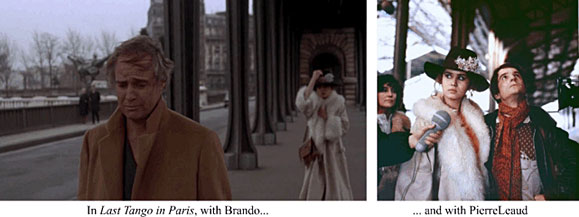
[Das]salary for Tango was £ 2500; she never got additional money.
[Ebert], [Kraft] salary was $ 5000
[BuetJ]“I regret my choice [doing Tango instead of Indian Summer]. The start of my career would have been softer, more quiet. I was not ready for Tango. People have identified me with someone who wasn’t me. The butter, the dirty talk of old pigs...
Marlon was extraordinary, kind towards the crew, generous. Bertolucci, being a communist, counted his money and let people work fifteen hours a day. Marlon said: ‘Now, let’s have a break, and sandwiches for all’, notwithstanding his being hollywood superstar. There was chemics between us, an understanding.
In the original script, my part had to be played by a boy, which changes everything. They didn’t have the courage [to cast a boy]. Marlon always said to me: ‘but you, you have more character than a boy!’ ” [laughs]
“After the film by Bertolucci, I got huge offers of money to do similar films, parts of sex-symbol… I broke with that very very soon. And I also got problems, because they said: ‘She doesn’t want to undress anymore, she doesn’t want to do love scenes’.”
[IMDb MS]Esther Anderson (born 1946) went out with Marlon Brando and was with him when he starred in Last Tango in Paris (1972). She became great friends with Schneider, who featured in the controversial sex scene with Brando at the tender age of 19. “I was with Maria when she saw the film for the first time ... she was absolutely shocked. She had no idea what they were going to do with her. She ran from the cinema screaming and I had to run after her into the street and comfort her. That film ruined her life”.
She had a nervous breakdown after Tango, but that may have been in 1976 after Caligula or even 1977 after Bunuel.
1972-09 Last Tango in Paris is released at the festival of Venice, then 1972-10-14 festival New York, -12-15 in France and Italy.
1972-fall: is cast by Lee Jaffe to shoot in Chile, but the CIA made the project impossible [LJ]
[Das]Unprepared for the worldwide attention the film brought, she soon embarked on a path of self-destruction with fraught romantic entanglements, suicide attempts and a lapse into drug addiction. ... “I survived because God decided it wasn't the time for me to go”.
Main role in Professione: reporter by Antonioni (released 1975-02-18 Italy, 1975-04 USA, 1975-05 France).
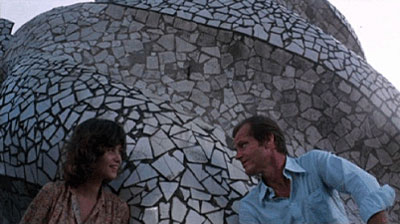
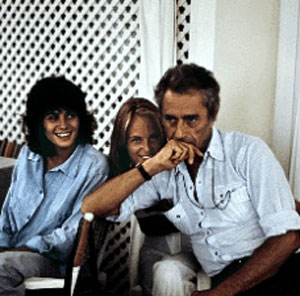
[BuetJ]From the beginning I was a fan of Antonioni. Blow up was a shock for filmlovers, Il deserto rosso, L’eclisse, and all the others. One of the magics of this profession is to meet someone who you admire and with whom you are going to work. That happens only once in ten years, but to get it is really fantastic. In addition, Michelangelo is director of women. He is a creator who loves sensibility, who loves women, and he will always remain a friend for me. He does not manipulate, he is a painter of cinema. ... Regarding Jack Nicholson, he is a competetive actor who is not very fond of actresses with whom he works. It was the first time he worked in Europe, so he sent for hamburgers from America. Also, since Antonioni doesn’t direct his actors (as opposed to René Clément, for instance), Jack was completely lost. He was used to making thirty rehearsals for going from one point to another. Typical for men from the Actors Sudio. In short, he suffered a lot, and maybe that’s why he bought the film rights. Yet, he didn’t have his usual kicks and for him, too, it is a beautiful film”.
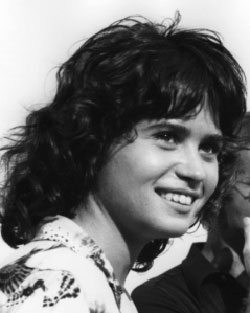
[Wikipedia Eng]She came out as bisexual.
[Sull1103]Bertolucci fired her for 1900.
[IMDb MS]she hasn't talked to Bernardo Bertolucci since the shooting of Novecento (1976).
I doubt whether she was cast for Bertolucci’s Novecento, leave alone walked off or was fired. (The shooting was from May 1974 till September 1975, so a fire or walk off must have been in or before 1975.)
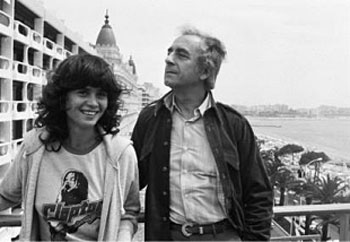
Main role of Michelle in La baby sitter by René Clément (released 1975-10-15 France).
[Chtn]In Rome, where she went shooting Jeune fille libre le soir (La baby sitter) by René Clément, she was insulted on the streets, in restaurants. A magazine dared the headline ‘Maria does her butter in Rome’. A dairy producer put a photo of her on their packets of butter.
[BuetJ]In my opinion Clément is one of the greatest actor-directors ever. He taught me half of what I know of behaving in front of a camera. He directed children, and that earned him an incredible pecision. Everything is made clear, the smallest moves of the actors. He was very close to them, and this shooting was very instructive for me.
[Ebert]“They took away two-thirds of my salary [for La baby sitter] to keep the insurance people happy. "... “ After The Baby Sitter I was supposed to make a movie in Paris with Jean-Luc Godard. ... He gave a brilliant press conference about it in Cannes. He explained to me that the actor would put up $40,000, and he would put up $40,000, and then we would make the movie together. I would have, too, but I didn't have $40,000. And I still don't.”
1975-03 [Ebert] She moves from Londen to the Hollywood-hills, Laurel Canyon, California. “I came out from my doctor’s office, saw Paul Kohmer's sign, and introduced myself at the switchboard. ‘Who are you?’ they asked. I said I was an actress who wanted him to represent me. They asked what credits I had - they thought l was a nut off the street. I said I'd worked with Bertolucci and Antonioni. They didn't believe me. Finally one person in the office did recognize me. I look a little different now, I'm thinner, I'm 23, I wasn't wearing makeup.”
1975-04 interview by Gideon Bachmann for Playmen (Italy)
1975-09-14 interview by Roger Ebert [Ebert]
studies script for The story of an african farm [but she will not appear in the 2004 movie by Lister]
lived some time in Venice
Paramount wants her for Black Sunday (1977)
Appears as herself in documentary Sois belle et tais-toi by Delphine Seyrig (released 1980-03-04 France).
[Das]she has a relation with Joan Townsend, photographer and Avis-heir. Joan was sent to a mental hospital in Rome. Maria Schneider committed herself as a voluntary patient in order to be with Joan. “She was schizophrenic, I wanted to help. She eventually went back home to the States but now, I don't know what has happened to her.”
[OldLoves]Schneider had walked off of the set of the movie Caligula and checked herself into the facility in order to be with Townsend who was already a patient there.
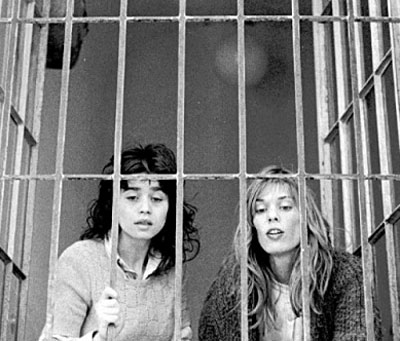
[Das]She was due to film Caligula alongside Peter O'Toole and Helen Mirren but walked off when she realised its pornographic content.
She was offered the role of Mary in Franco Zeffirelli's TV spectacular, Jesus of Nazareth, but turned it down - a decision she regrets.
Main role of Hypolyte in short (55 min.) movie Voyage au jardin des morts by Philippe Garrel (released 1978-02-08 France; see Voyage au jardin des morts).
[BuetJ]When I had problems, I worked in the most obscure circles, with Garrel, Rivette… I did Le Voyage au jardin des morts (1976), a film hardly ever shown, that only the fans of Garrel have seen. There was no money at all. Garrel did everything: sound, image… We had to shoot at night in the studios. Rassam gave us thousend francs here, thousand francs there to make the film. Nobody got payed. This film really was made for the love of the art. The images are magnificent, it is an enlarged 16 mm black and white. I didn’t have make-up, and there are set designs of an extraordinary beauty.
[Kraft]homesick in USA, returns to Paris.
Is cast by Buñuel for his Cet obscur objet du désir but she quits.
[BuetJ]“I did not refuse to work for Buñuel but I changed my mind... Actually, Buñuel didn’t want to make films anymore, he lead a retired life in Mexico. But Silberman, old screw, wanted to ‘make’ the last film of Buñuel, who told him: ‘I don’t want to shoot anymore, I’m tired, I’m deaf...’ At last he got fed up and, looking at a picture of Last Tango, he said: ‘With the little girl, there, in the film!’ I meet Buñuel, I read the scenario. It was a remake of La Femme et le Pantin (1958). Again a old with a young... ok! Next Buñuel dresses me like Deneuve, with very bourgeois tricks. Let’s say that I was not quite at ease. At the other hand, he let me take intensive courses of flamenco during two months, and that I loved. I vented, it was wonderful! [laughs] I leave for Madrid. It was the big come-back of Buñuel in Spain, after the depart of Franco. Since Tango was forbidden, an army of paparazzi awaited me at the railway station in Madrid. They said: ‘What are you going to do here?’ ‘I’m going to shoot Cet obscur objet du désir with Luis Buñuel.” Next day, of course, headlines in all the newspapers. I’m called at the production director. ‘You are not allowed to say anyting!’ I was twenty-two, didn’t have a press agent, nor a body gard. Buñuel mounted his films at the same time he shooted. He was always behind his screen: a man with a tv instead of a body, and two feet thrusting out. The assistant moved between the director and me. It was surrealistic. I begin with a scene of seduction that consisted of a dance behind a grid. I started a delirious trick [laughs], half rock, half flamenco. Buñuel said ‘Mick Jagger!!!’ and I return to the hotel. The whole night I waited for them to put the schedule for the next day under my door. That smelt fishy. I knew the script very well, but nobody talked to me. Everybody behaved very cowardly, evasive. In the morning I see Buñuel arriving, who says: ‘You rebel! you rebel! [laughs] This can’t be...’ In short, I’m sent back to Paris, without being payed, nor compensated. My settlement is that he had to take two actresses to replace me, Carole Buquet et Angelina Molina.”
[BuetJ]With Losey, they wanted to do La Dame aux camélias. I liked Losey very much. He failed to convince the producers of the time, Toscan and Drucker. Joe [Losey] asked me to meet them. In those days I was actually ‘rock'n roll’ [laughs], I smoked joints from morning till evening, I have to admit it. I arrived in a daunting state, so they decided to do another film, Les Routes du Sud (1978). I remember a lunch with Montand and Joe. Joe boozed, he was drunk. He said to me: ‘You don't going to smo… smoke, hey, du… during th… this film!’ I, answering: ‘You don't going to drink, hey!’ It was really the pot calling the kettle black. He didn’t have to teach me. He and Montand were completely tipsy. Montand said: ‘She smokes, she takes drugs’. In short, suddenly the film was cancelled. Later it was Miou-Miou who got the part. People accept from a mail actor that he is in a deplorable state, but for us it’s unforgivable.
Main role of Laura in Violanta by Daniel Schmid with Gérard Depardieu (released 1978-03-22 France).
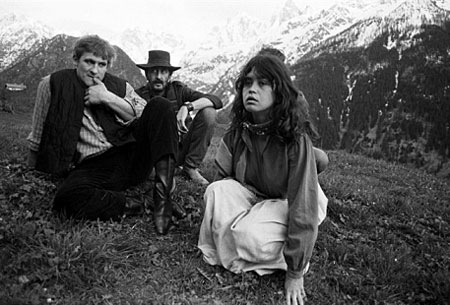
[BuetJ]Next there was Rivette. He came to see me and said: ‘Maria, I would like to shoot with you’. He was under the influence of tranquilizers. We make an appointment in Paris, in his preferred cafe at the Champs-Elysées. I arrive, see a weirdo sitting cross-legged who says: ‘You know, I write the scenario at the same time that I shoot. What would you like to do?’ I reply: ‘I don’t know, a thriller, a detective...’ He started right there. ‘And with whom would you like to play?’ ‘Ben, I don’t know, with my comrade Joe [Dallessandro]’ [laughs]. It became Merry-Go-Round (1977). Nowadays you can’t make films that way anymore. It was the nouvelle vague [new wave], everything was possible. I got a little nervous, because Rivette, he really is someone who does nothing in a film. We had Lubtchansky who did every movement of the camera, and someone else wrote the text. While the actors are present. Rivette, he had the attitude of an achiever. Above all he had the gift of unifying his people.
[IMDb MS]In Galan (West Germany) an article Wann wird sie wieder tanzen...? by Tony Crawley is published (1977, Iss. 5).
1978-02-08 France: release of Voyage au jardin des morts by Philippe Garrel.
Main role of Suna in Io sono mia by Sofia Scandurra with Michele Placido (released 1978-06-19 Spain).
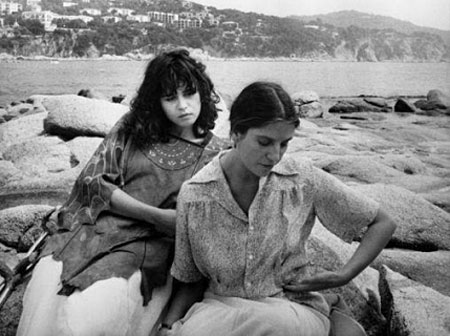
Main role of Liliane in Een vrouw als Eva by Nouchka van Brakel (released 1979-01-25 The Netherlands).
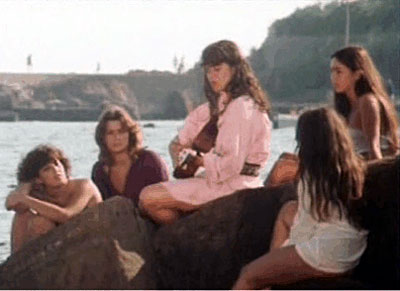
1978 spring: filming Weisse Reise (released 1980) [Courant]
[MvdVen]Maria did not live very healthy in those days. She had to fight hard to overcome her alcohol and drugs addiction. She was lonely and dependent. I loved her, but she needed much attention.
1978-06 [Chtn] In june 1978, Paris Match recovered the hurt actress of Last Tango in Paris. Revolting against everything that she had fled from, she hid in the nordic forest of Sweden. Maria. Joan. There, 500 kilometers from Stockholm, 10 kilometers from the nearest village, in the middle of the most deserted provinces of the entire northern Europe, they came to find refuge. “Here you only hear birds. You think of nothing. Drinking tea, eating fruits. That is life. But I don’t know why I tell you that. I don’t have to defend myself. People can think of me what they like, that I am an outcast, a drug user, an untidy bitch, that I have a bad character. I don’t care...” She came to Sweden with a friend, Joan Anderson, international photo-model. Joan is beautiful, soft. She is the wise elder sister.
Main role of Maloup in La Dérobade by Daniel Duval, with Miou-miou (released 1979-10-17 France).
[Soares]A purportedly gritty look at female prostitution that earned Schneider a nomination as Best Supporting Actress for the French Academy's César and Miou Miou the Best Actress award.
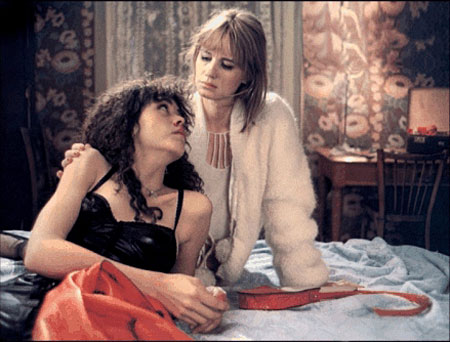
Main role of Madeleine in Haine by Dominique Goult (released 1980-01-09 France).
1979-05 article O what happened to Adam? about Maria Schneider by Peter Gambaccini appears in Oui (USA, Vol. 8, Iss. 5, pg. 110), [IMDb MS].
Meets her future partner Pia. (Some sources have 'Almadio' as the family name of Pia. According to Moira Sullivan "Her partner goes by 'Pia', however her last name is not Almadio and that has circulated because of an Italian photographer and photo taken back in the 70s. I have tried to tell him it is not correct but he has not changed it.")
[Das]“I met someone in 1980 who helped me stop. I call this person my angel and we've been together ever since”.
Main role of Nancy Hawaii in comedy Mama Dracula by Boris Szulzinger (released 1980-11-19 France; Polanski’s vampire movie appeared in 1967).
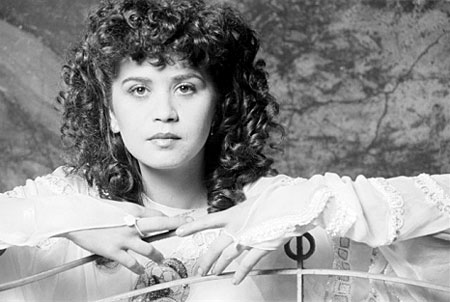
Role in Weisse Reise by Werner Schroeter (released 1981-02-06 Portugal).
1981-11-16 appears as guest in a talkshow on TV (France).
[Sull01]? member of jury in Sceaux.
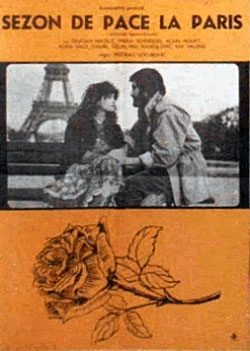
Main role of Elen in Sezona mira u Parizu by Predrag Golubovic (released 1981-07 Moscow film festival; 1982-08-26 DDR).
Main role of Léo in Merry-Go-Round by Jacques Rivette (released 1981-10-01 BRD), published 2015-11- 17 by Mixxie Powers on Youtube, language French with English subtitles (visited 2016-08-22), link removed by Youtube.
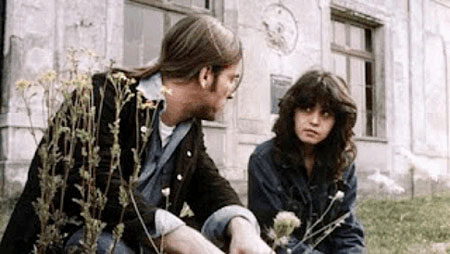
[DE]...but Maria (deep into drugs) often didn’t show up for filming at all.
Role in La chanson du mal aimé by Claude Weisz [Apollin] (released 1981; it is about the life of the poet Apollinaire).
Main role of Francesca in L'Imposteur (aka. Cercasi Gesù) by Luigi Comencini (released 1982-3-3 Italy). Published 2015-02-07 on Youtube (language Italian, no subtitles), Link removed by Youtube.
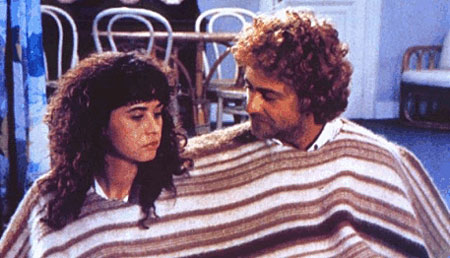
[BuetJ]“I did L'Imposteur by Luigi Comencini, in 1982. He is a wonderful man, a great director. ... The film is a fable about Jesus and the Vatican of today.”
Main role of Véra in Balles perdues by Jean-Louis Comolli (released 1983-4-13 France).
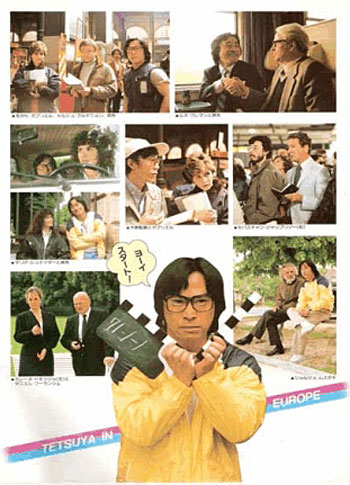
1983 role in Yoroppa tokkyu aka. Princess & The Photographer by Yutaka Ohara (released 1984-1-14 Japan).
1983-02-02 appears as herself in TV-documentary Maria Schneider (issue of TV-series Cinéma cinémas) by Raoul Sangla.

Role in Buio nella valle by Giuseppe Fina. It is a TV-feuilleton, released 1984-9-20; see: Buio nella valle
Main role of Madeline Dyer in A Song for Europe by John Goldschmidt (TV, released 1985-5-27).
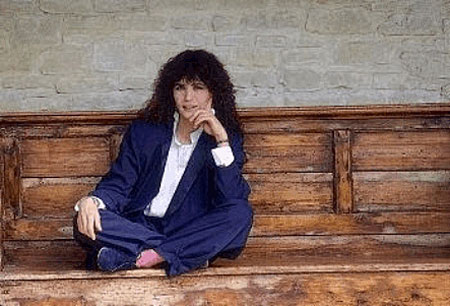
Main role of Céline Fontaine in Résidence surveillée by Frédéric Compain (released 1987-8-19 France).
Main role of Brigitte in L'Or noir de Lornac by Tony Flaadt (issue of TV-series, released 1987-9-8 France).
Role in Silvia è sola by Silvio Maestranzi (TV, released 1988-11-16 Italy).
Main role of Muriel in Bunker Palace Hôtel by Enki Bilal (released 1989-6-14).
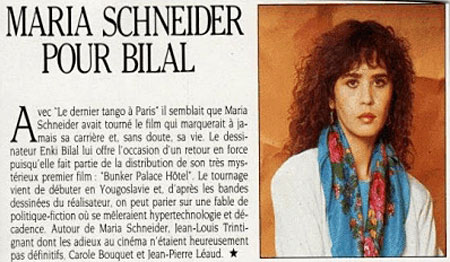
Translation of text next to photo:
Maria Schneider for Bilal
With Last Tango in Paris it seemed that Maria Schneider had made the film that would forever mark her career and, without doubt, her life. Cartoonist Enki Bilal gave her the opportunity for a solid return with her part in his very mysterious first movie Bunker Palace Hotel. The shooting just started in Yugoslavia and, according to the tapes from the director, we can expect a fictional political tale where hyper technology and decadence are mixed. Next to Maria Schneider, Jean-Louis Trintignant, whose farewell to the cinema luckily wasn’t forever, Carole Bouquet and Jean-Pierre Léaud.
1990-summer: role of La contadina in La condanna by Marco Bellocchio (released 1991-2-28)
1990-01-12 appears in TV-documentary ,Un dia és un dia (Spain)
[Das]meets Bertolucci in Tokyo. “I've not really forgiven him for the way he treated me and although we met in Tokyo 17 years ago, I ignored him.”
Role of Sarah in Écrans de sable by Randa Chahal Sabbag (released 1991-9-8 festival Venice).
Main role of Raissa in Au pays des Juliets by Mehdi Charef (released 1992-6-17 France)
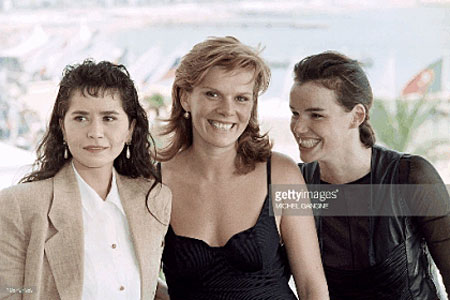
1992-05-10 press screening of the film Au pays des Juliets during the 45th Cannes International Film Festival.
Role of Noria in Les Nuits fauves by Cyril Collard (released 1992-10-21 France).
[Soares]over-the-top AIDS melodrama, winner of four Césars, including Best Film.
[Kraft]a powerful French autobiographical film by Cyril Collard, who died of AIDS last March [1994]. Schneider plays a Moroccan psychic who appears to the HIV-infected man in a dream. She describes it as a "very small, very strong part."
The film was hailed by critics in France as a courageously honest portrait of a bisexual, 30-year-old man with AIDS who is torn between his love for a woman, 18-year-old Laura, and a man, 20-year-old Samy. French audiences were fascinated by Collard's willingness to portray himself as an egocentric character who slept with a young woman several times before telling her he carried the AIDS virus.
"I was touched by his true story," Schneider said. "It's quite admirable to be so honest. But I was quite depressed after seeing it. I guess I live in this very romantic world. I had no idea people could live like he did."
She considers Collard's film "a very interesting first effort," but she doesn't think it's a "masterwork. It would have been interesting to see what he would have done after that."
Role of Leila Chaouen in Contrôle d'identité by Peter Kassovitz (TV, released 1993-10-9 France).
1994-2-20 interview with Kraft [Kraft], in the bar of the Ritz Hotel, Paris.
"And when I see Last Tango today, I have to say it got old. The film has aged."
1994-03-30 interview with L’Humanité [Hmnt1994]
[BuetJ]Anatole Dauman explains to Maria Schneider how things went when she worked with Bunuel, back in 1977
Role of Samira in L’ombre d'un père (issue of TV-serie Navarra, released 1995-10-12 France)
Role of Bertha in Jane Eyre by Franco Zeffirelli (released 1996-1-20)
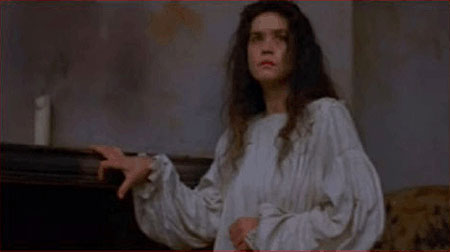
1996-1-20 S-Korea: Release of Jane Eyre by Franco Zeffirelli (released -2-2 Italy, -4-12 USA).
Appears on a photo on which we can read “Finale Nazionale 1997 Club Residence Capopiccolo;
Una ragazza per il cinema”:
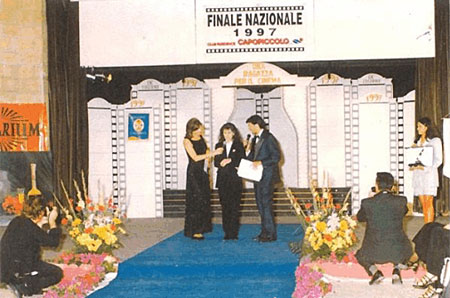
1997-01-18 appears in documentary Dear Antonioni (UK).
Role of Maria Faccino in Something to Believe In by John Hough (released 1998-5-8 UK).
Role of Julia Mayfair in Angelo nero by Roberto Rocco (TV released 1998-6-24 Italy).
Supporting role of Queen Magda in Il Cuore e la spada by Fabrizio Costa (TV, released 1998-11-22 Italy).
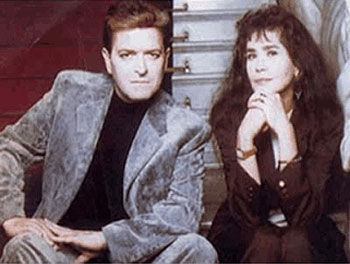
Appears as herself in Les Acteurs de Bertrand Blier (released 2000-4-5).
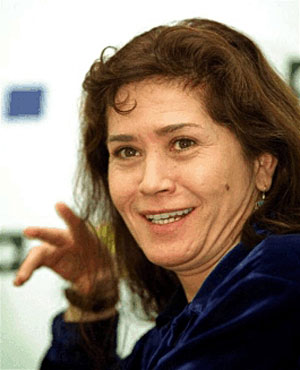
2001-02 or -03 [Sull01] She watches Before Night Falls by Julian Schnabel (2000) and is very impressed. “I saw it privately, because I met Julian and he showed me the film three weeks ago and I think it's a beautiful film. Poetic, lyrical and it says something, but not heavily. Its very fine: I'm glad that there are still films like that today.”
2001-03 [Sull01] Maria Schneider was the Guest of Honor at the Créteil Films de Femmes International, March 23-April 2, 2001 and honored with a retrospective of her work.
2001-03 interview with Moira Sullivan [Sull01]
likes David Lynch’s Straight Story (1999)
is vice president of La roue tourne
2001-05 filming (role of the sister of Charlotte) of La Repentie by Laetitia Masson [Sull01] (released 2002-4-17)
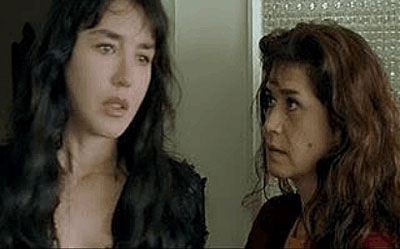
Interview with Buet en Jenny [BuetJ]:
she likes opera but not theatre
is ambassador of La roue tourne
2002-04 [MCHarrer] Actress Maria Schneider will be chairwoman of the jury for short films at the Film Festival of Paris, April 1 till 9, dedicated to Spanish Cinema.
2002-4-17 release of La Repentie by Laetitia Masson in France
Role of Mme Boursicault in Maigret en meublé by Heynemann (issue of TV-series), with Bruno Cremer (first aired 2004-9-2 Belgium). Her father, Daniel Gélin, appeared in an issue of this series in 1995, viz. Maigret et la vente à la bougie.
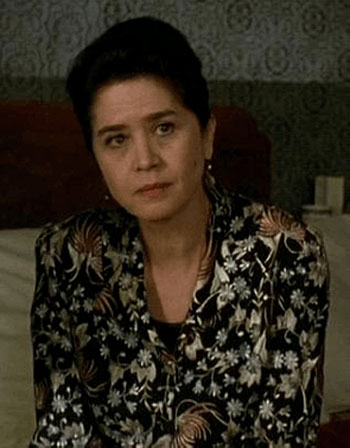
Main role of Anna in Au large de Bad Ragaz by François-Christophe Marzal (released 2004-11-10 Switserland)
2004-12-03 appears in TV-documentary Il était une fois...Le dernier tango à Paris (France).
2005-06-22 visits the birthday party of her stepsister Fiona Gélin at Castel Club in Paris.
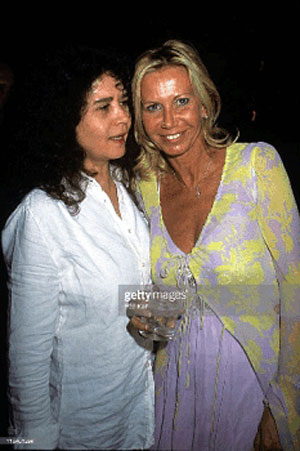
Role of Marie Louise Dumas in Les trois Dumas (The three Dumas) by Gian Godoy (prereleased 2005 in the birthplace of Dumas, Villers-Cotterets, and UK release 2007-11-11) [IMDb], [en.wikipedia].
Supporting role of the wife of Joseph Costals in La Vie d'artiste by Marc Fitoussi (released 2007-9-5 France)
Supporting role of housekeeper in Quale amore by Maurizio Sciarra (released 2006-8-9 Locarno filmfestival, -11-17 Italy)
Main role of Thelda in short (11 min.) tv-film Perds pas la boule! by Maria Pia Crapanzano (released 2006-2-1 France)
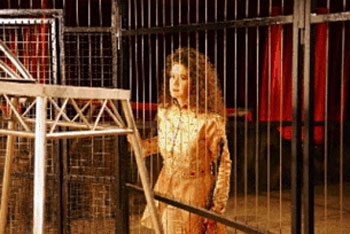
2006-05-03 appears in TV-documentary Parfum de scandale (France)
[McLellan]interview with Sunday Independent (Ireland)
Appears in TV documentary Brando (released 2007-05 Cannes Film Festival).
Supporting role of Solange in La Clef by Guillaume Nicloux (released 2007-12-19 France).
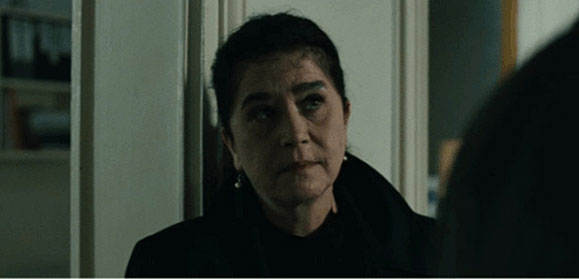
2007-07-19 interview with Lina Das [Das]:
“However, I never went naked in a movie again after Last Tango.” [LdB: that is not correct]
“I watched Tango again three years ago after Marlon died and it seems kitsch.”
She is now in the organisation La Roue Tourne.
Schneider never married, nor did she have children. “It just wasn't in my destiny and I have no regrets,” she says, although she admits to a deep distrust of men. “Even before my experiences on Last Tango, I found it hard to trust men. I only met my father when I was 15 and all the role models in my family were women.”
2007-11-11 UK-release of The three Dumas by Gian Godoy (role of Marie Louise Dumas, [IMDb], [en.wikipedia]).
2007/8 role of Donatienne in A.D. La guerre de l'ombre, TV-film by Laurence Katrian (released 2008-02-08 Luchon film festival France).
Supporting role of Marie-Hélène in Cliente by Josiane Balasko (released 2008-10-01 France).
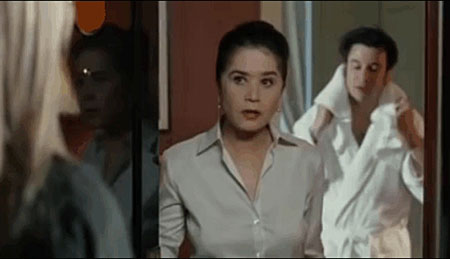
Stops working as an actress, because of her illness.
2010-7 inducted into the Ordre des Arts et Lettres (Order of Arts and Letters) [Sull1103]
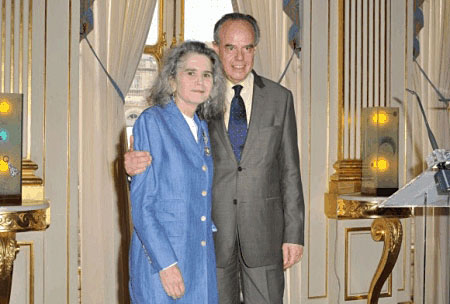
2011-02-03 dies of cancer, age 58
[JB]Bertolucci admitted that he had wanted to apologise to Maria Schneider. “Her death came too early. Before I could have embraced her tenderly, tell her that I felt connected with her just like at the first day. Maria accused me for having stolen her youth and only today I wonder if that is not at least partly true.” 2011-02-10 funeral at Église Saint-Roch
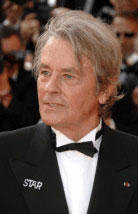
[CL]A quiet funeral was held at Eglise Saint-Roch on February 10, 2011. Among friends in attendance were director Bertrand Blier, actresses Claudia Cardinale, Andrea Ferreol and Christine Boisson, writer Jean-Henri Servat, and actor Alain Delon. Maria’s partner, Pia, spoke at the memorial. “Ciao Bella, Ciao Maria,” she said, saluting her for bravery in the long illness that took her life.
[JB]Son oncle, Georges Schneider, se refusant à évoquer le sulfureux opus du pont Bir Hakeim, a dit vouloir garder d'elle «la plus belle image d'un visage de femme», celle «cheveux au vent, debout dans une décapotable», dans Profession Reporter d’Antonioni, avec Jack Nicholson.
[JB]Alain Delon reads aloud a hommage written by Brigitte Bardot:
Avec sa bouille d’éternelle femme-enfant et son caractère de petit chat sauvage, elle a conquit le monde avec la fulgurance d’une météorite enflammée qui pulvérisa tout sur son passage ! Passage éclatant mais éphémère où, offrant son corps de velours à un Marlon Brando au faîte de sa gloire, elle choqua, scandalisa par son impudeur mais marqua à jamais par son insolence une époque qu’elle a désormais personnalisée.
Sous ces dehors, ces images, se cachait un petit coeur perdu, une gamine à la dérive, sans port d’attache, propulsée au plus haut sans y être préparée, redescendant forcément sans parachute et livrée à tous les excès pour combler les vides d’une gloire qui l’abandonnait.
En manque d’un père qui ne l’a pas reconnue - ce qui a été le drame de sa vie -, elle a été la proie de tous les leurres scintillants auxquels elle s’est brûlée croyant échapper à cet oubli qu’elle redoutait tant !
Dans ce fourmillement de détresse et de perversité, elle rencontra Pia, son ange gardien, sa bouée de sauvetage, son amie, sa soeur avec qui elle a partagé 30 années d’équilibre, de meilleur et de pire.
Et puis, comme la fausse note d’une symphonie de vie enfin pleine d’espoir, s’est abattue la maladie, la pire, celle qui grignote la vie, celle dont on réchappe rarement : « le cancer ». Maria l’a prise à bras le corps, s’est battue, a sorti ses griffes de chat sauvage, elle a été courageuse, lucide, déterminée, intransigeante et digne. Elle a subi les traitements les plus éprouvants, les mutilations handicapantes, certaine de vaincre, avec l’espoir fou que sa volonté de fer aurait raison de cet ennemi implacable !
Je l’ai eu au téléphone le dimanche 30 janvier à midi comme tous les dimanches depuis près de trois ans. Elle avait une voix audible, elle riait, me disait qu’elle allait mieux, j’étais heureuse de l’entendre et elle aussi.
Le jeudi 3 février, à 10 heures du matin, un fax m’annonçait sa mort. Elle a été un peu, beaucoup, passionnément « ma fille », c’est vers moi qu’elle s’est tournée il y a trois ans lorsque abandonnée, elle recherchait une chaleur humaine. Sa mort emporte une partie de mon coeur car je l’aimais, je voulais lui donner ce dont ses parents l’avaient privée.
Elle est une petite étoile nouvelle de la Voie Lactée, loin, très loin des atrocités et des souffrances que son passage sur Terre lui a imposées.
Brigitte Bardot
4 février 2011
[Bagnaud]The singer Isabelle Mayereau interpreted two songs while accompanying herself on the guitar. « Ciao Bella, Ciao Maria » said Pia, her partner, mentioning her courage and her pugnacity facing her illness.
[Sull1103]At the quiet funeral held at Èglise Saint-Roch, Brigitte Bardot was present through her moving letter, the woman who called Schneider every Sunday during her life. Among Maria’s friends in attendance was the director Bertrand Blier, actress Claudia Cardinale, the writer Jean-Henri Servat, artistic director Dominique Besnehard, actress Farida Rahouadj, Deputy Mayor of Paris in charge of Culture, Christophe Girard, and actress Andrea Ferreol.
Maria’s partner (compagne) since the 1980s, Pia, spoke at the memorial. “Ciao Bella, Ciao Maria” and saluted her for her bravery in the long illness that took her life.
[LdB]from the many photo’s that were made afterwards as well as from the reports, we can conclude that the funeral was attended by: Maria’s partner Pia, artistic director Dominique Besnehard director Bertrand Blier, actress Christine Boisson, actress Claudia Cardinale, actor Alain Delon, actress Andréa Ferréol, Maria’s half sister Fiona Gélin, Maria’s half brother Manuel Gélin, deputy mayor of Paris in charge of culture Christophe Girard, fashion designer Daniel Hechter, actress Catherine Lachens, producer and actor Jean-Francois Lepetit, singer Isabelle Mayereau, singer Nicoletta, actress Farida Rahouadj, Maria’s uncle Georges Schneider, actress and press agent Dominique Segall, writer Jean-Henri Servat, actress Elsa Servier.
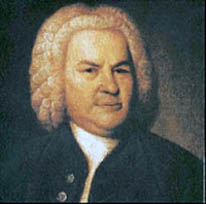
[JB]La cérémonie religieuse s’est achevée sur la Passion selon Saint-Matthieu de Jean-Sébastien Bach, son compositeur préféré. (The religious ceremony was concluded while music from the St. Mathew Passion was being played, of her favourite composer Bach)
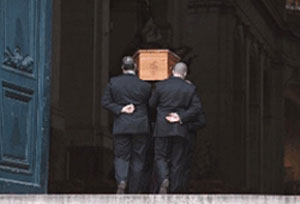
[JB]After the ceremony her body was burnt in the Crematorium of Père-Lachaise.
At last the cancer, that ruined her body, was ruined by the fire. What remains are ashes, but also a tremendous heritage of over fifty movies.
2011 Her ashes are scattered at Le Rocher de la Vierge in Biarritz, France